Making Science Accessible
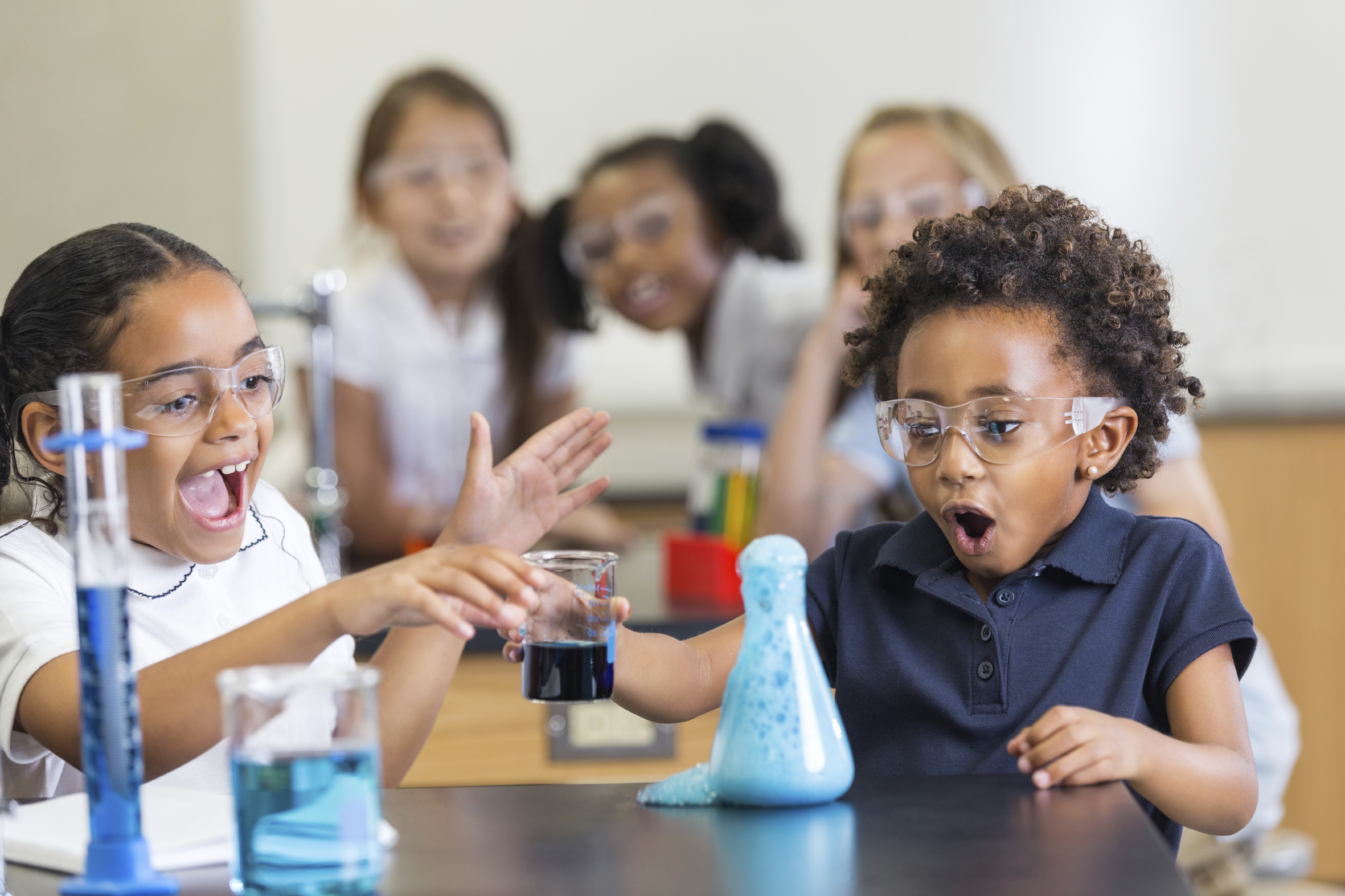
Science cannot progress without drawing on every possible kind of person and their questions and ideas. To bring people to science we must also take science to the people, and do so in digestible, relevant, and enjoyable forms.
We face an ever continuing need for the next generation of inventors, explorers / astronauts, scientists, engineers, creatives, and well-informed diplomats; starting to attract and recruit the most passionate and talented of learners in university classrooms is far too late! So we must reach out to younger peolple too, so as to help to them grasp and be captivated by how science and learning is useful to humankind. This work of popular science is intended to enthuse young people and inspire their imaginations in the infinite wonders of space.
**Book project underway. Web page under construction**
Author: Amy J. V. Riches
Working Title: Ali – Lost on Earth
Are we alone in the universe? If not where is extraterrestrial life to be found and is it like us? Is Earth a one-off, or are there other planets like it? The illustrated children’s book under development follows Ali’s journey, an Alien who has crash landed on Earth and – with the help of a new human friend, Max (a young girl) – is searching for his home world. This standalone work with accessible illustrations and fiendly language is positioned to explore the exciting concepts of what makes extraterrestrial life possible (or not!), and the nature of worlds in and beyond our home Solar System. Along the way Ali and readers learn about the types of tools and clues that scientists look for to understand Earth’s neighbourhood and to seek out more distant habitable planets. It is now the space age, we must all be ready to explore!
“Improve a mechanical device and you may double productivity. But improve [humankind], you gain a thousandfold.” Khan Noonian Singh, Star Trek Season 1 ‘Space Seed’.
 Amy J. V. Riches