Friendly and appealing communities in which all can thrive
People drive science and the good of the world forward. Empowerment to unlock the potential of all matters. Team work makes the dream work. As such, I take pride in being an energetic and imaginative woman of STEMM who does whatever she can to widen access and engagement in science and to address the need for greater diversity more broadly. As a planetary scientist I am not a trained expert in matters of diversity, but am happy to help where possible. I am honoured to have been selected to serve as a Founding member and Co-Chair to the Diversity, Equity, and Inclusion Committee of the European Association of Geochemistry for a three year term concluded in late-2022 – https://www.eag.eu.com/about/dei/
At a personal level, given my ‘invisible’ difference under law I classify as disabled. This is legal terminology; I ascribe to the social model of disability and do what I can to raise awareness of ableism and prompt progressive thinking and procedural reforms.
Complex and sometimes painful problems and barriers to justice, diversity, equity, and inclusion agendas (systemic and cultural) require tackling from all conceivable angles, and likely also deconstructing in ways we are yet to recognise but shall get behind with gusto when learnt of. Giving back through service to the community is a good thing. Both diversity and zeal, are always required for outstanding and ingenious achievements to be realised. These are friendly and constructive goals in which everyone has a responsibility to contribute. In uniting so we proactively cultivate and build communities with positively progressive cultures in which all kinds of people with varied ways of thinking can feel that they belong.
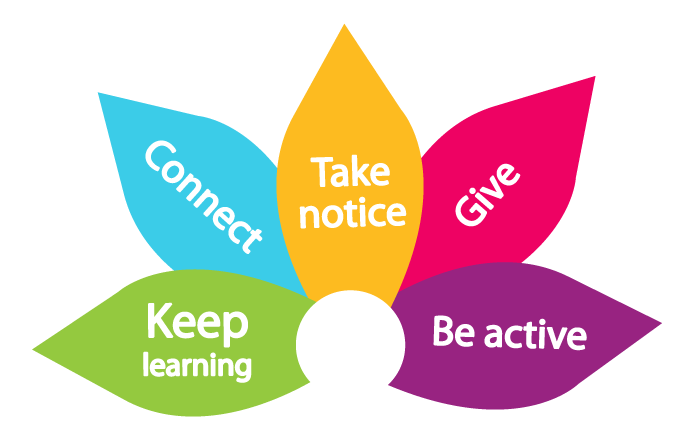
Wellbeing, ableness / disability, and conditions that enable and empower
Every kind of person can be ambitious in pursuing all kinds of exciting and constructive professional opportunities, and should do so without hindrance or counterproductive forms of gatekeeping. Good places and systems of employ actively ensure and promote both equity and high-standards of wellbeing among personnel while accessing all possible talent pools.
The differing aspirations / destinations for each person’s career and life successes are natural and should be celebrated. As such we should promote the benefits that arise from true diversity, equity, and inclusion. If we are all the same, or very similar, we have failed. It costs nothing to be polite, kind, and respectful. Be happy in what you do and where you are, and / or where you are heading – wherever that may be – while working on and sharing in what you love.

Everyone is an individual. We must be self-critical and should not be complicit in systemic problems such as over-work, exploitation, discrimination, bias, and exclusion of minoritised and marginalised groups. Cultures of denial and / or silence are forms of oppression and to be disapproved. Where illness, disability, or other protected characteristics are concerned, there are applicable legislative frameworks and reasonable accommodations that are legal requirements of employers.
Within the UK, examples of legislation for this area include the Equality Act 2010 linked to public sector Equality Duty; the Human Rights Act 1998 – including its Article 8 – respect for family and private life; the Higher Education (Freedom of Speech) Act 2017; the Higher Education and Research Act 2017; the Employment Rights Act 1996; the Pubic Interest Disclosure Act 1998; and the Skills and Post-16 Education Act 2022. As of November 2025, the anticipated UK Employment Rights Bill is in its final stages of process with UK Government. Plus, employer bodies. funders, international and domestic learned societies uphold professional standards / codes of conduct and respect of e.g. academic freedom. In this context you can gain assistance if ever needed because we should all study and work under suitable circumstances.
Should any member of the community wish for advice or support, some employers have dedicated offices to help their students and staff, confidential and impartial staffed helplines are available from some learned societies, other learned societies offer resources and have committees who may help you. And you might consider gaining advice from independent bodies, or your relevant trade union that might offer further support. Contact info can be provided to anyone who asks me for it, and discretion will be respected.
I’m sorry I know so little. I’m sorry we all know so little.
But that’s kind of the fun, isn’t it?
Vera Rubin
 Amy J. V. Riches